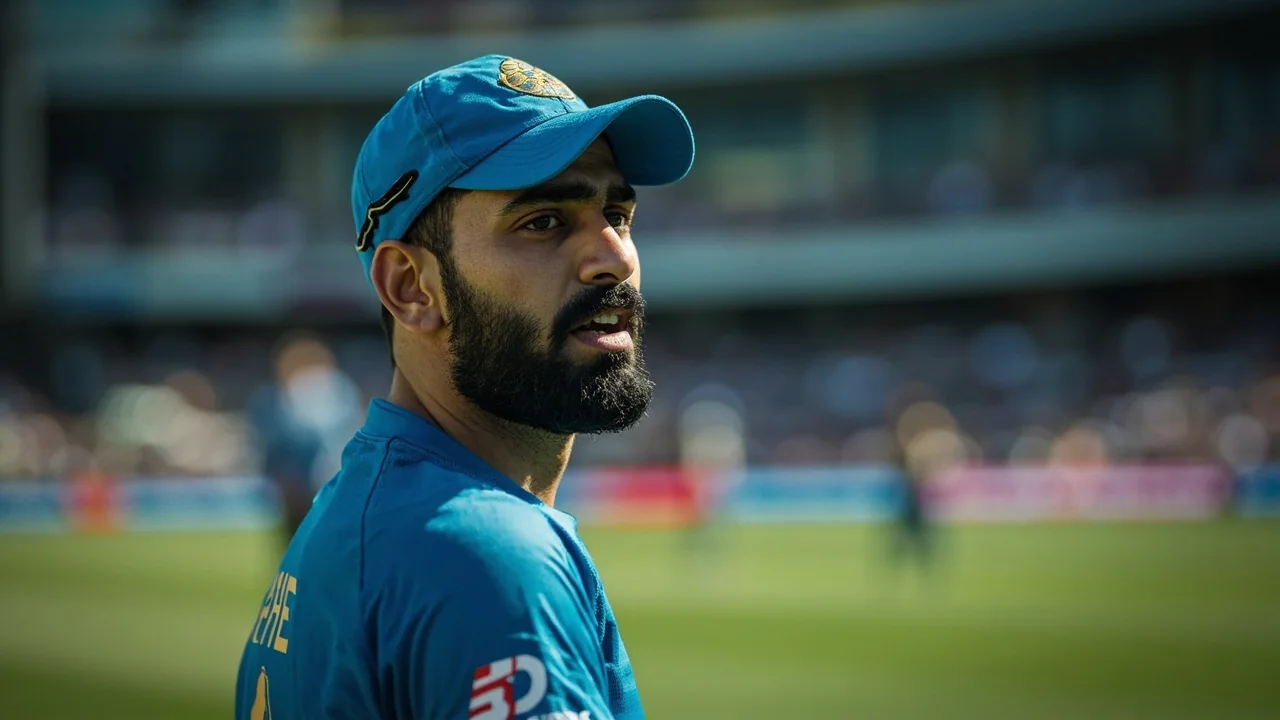
Jasprit Bumrah has been ruled out of India’s two-match Test series in Sri Lanka after a fresh assessment of his knee, a decision that has also exposed a reported communication problem between the BCCI Centre of Excellence and the national selection committee.
Selectors had initially been told that Bumrah would be available for the series. Later medical assessments reportedly showed that the issue was more serious than the earlier information suggested. India’s first Test against Sri Lanka begins in Galle on August 15, followed by the second match in Colombo from August 23.
The immediate sporting loss is clear: Bumrah is the leading fast-bowling reference point in the squad, with 234 Test wickets in 52 matches at an average of 19.79 and 16 five-wicket hauls. The wider concern is about how fitness information travels from rehabilitation staff to the people who select the team.
Why the change in Bumrah’s status matters
Bumrah also missed India’s final ODI against England after failing a fitness test connected to the same knee issue. India lost that ODI series 2–1. The Sri Lanka decision therefore does not appear in isolation; it follows a recent episode in which the bowler’s availability was already being tested and monitored.
For selectors, the important distinction is not simply whether an athlete is available on paper. A Test tour requires a player to withstand repeated spells, recover between days and remain reliable across a five-day workload. A medical update that changes from “available” to “ruled out” alters the balance of the bowling attack and the planning of the entire tour.
The report says the selectors were particularly concerned because their early expectation was that Bumrah could take part in at least one Test. That expectation now has to be replaced by a plan that does not depend on a late return, while the team prepares for a series India needs to strengthen its World Test Championship campaign.
A Centre of Excellence under scrutiny
The BCCI Centre of Excellence has not had a full-time head of sports science since Nitin Patel’s departure. Dhananjay Kaushik is serving as interim head. That staffing detail has become more significant because the latest Bumrah update arrives alongside other injury cases that selectors are said to be reviewing.
Harshit Rana was cleared despite fitness concerns before suffering another hamstring injury, according to the report. Washington Sundar’s repeated setbacks have also added to the unease. The cases do not prove that a single person or department caused each injury, but they do explain why the selectors are asking whether the return-to-play process is giving them dependable information.
Team India physio Kamlesh Jain’s position is expected to be reviewed as part of that discussion. The wording matters: a review is expected, not a confirmed change. The same caution applies to any conclusion about the Centre’s sports science staff. The published account records concern and a call for answers; it does not establish a final finding of negligence.
A BCCI review meeting is expected to involve head coach Gautam Gambhir, selection committee chairman Ajit Agarkar, VVS Laxman and secretary Devajit Saikia. The practical value of such a meeting will be measured by whether it produces a clearer chain of responsibility, shared medical language and timelines that selectors can use when naming a squad.
The Sai Sudharsan question adds another test
Selectors are also being cautious about Sai Sudharsan ahead of the opening Test. He is reportedly batting in the nets for 75 minutes while recovering from a foot injury. That is a positive sign, but it is not the same as confirmation that he will be ready for a Test match in Sri Lanka.
The Bumrah episode has made that distinction sharper. The report quotes an anonymous BCCI official, via PTI, questioning whether the current sports science staff are doing enough to return leading players on time. The official also points to the risk of selectors receiving a reassuring training update and then learning later that a player will not be fit for the first Test.
That concern is about timing as much as diagnosis. A player can bat for an extended period in the nets and still face a different physical demand in a Test: running, fielding, repeated acceleration and recovery over several days. A selection committee needs the full picture before it commits to a squad balance.
India’s WTC calculation without its spearhead
India are fifth in the 2025–27 World Test Championship standings and need a strong result in Sri Lanka to keep their hopes of reaching the final at The Oval alive. The absence of Bumrah does not decide the series, but it removes the bowler most capable of changing a session through movement, control and pressure at the same time.
The replacement challenge is therefore structural. India must decide how to distribute new-ball responsibility, who can absorb long spells and which combination offers enough control if the surface does not provide immediate help. Those decisions will be made with the current fitness information, not with the earlier expectation that Bumrah would be available for at least one match.
His workload has already been managed across the past two years. He missed a one-off Test against Afghanistan and sat out two matches during the England Test series. The record shows how valuable he remains when fit, but it also explains why a cautious medical decision can be more useful than a short return followed by another interruption.
What the review must clarify
The expected BCCI meeting has a narrow set of useful questions. Who gives the selection committee the final fitness status? What evidence separates a player’s net session from match readiness? How are changes in diagnosis communicated, and who owns the deadline before a squad is announced?
Those questions are more important than assigning blame before a formal review. Bumrah’s knee discomfort, the earlier availability message and the later exclusion are the confirmed sequence reported so far. The next meaningful development will be the outcome of the BCCI review and the final medical clarity around players such as Sudharsan.
The implications extend beyond the Sri Lanka itinerary. A clear medical chain protects the player, the selectors and the team’s preparation because it prevents a late change from forcing a rushed replacement plan. It also helps coaches decide whether a bowler should be treated as a full-match option, a limited spell option or a reserve who should not be exposed to competitive load. None of those labels can be inferred from a single net session; they depend on the underlying injury, the recovery response and the demands expected on tour.
That is why Bumrah’s absence has become a process story as well as a selection story. His numbers explain the competitive cost, but the reported confusion explains the administrative cost. India now have a fixed first-Test date and a second match only eight days later, leaving little room for uncertainty once the squad reaches Sri Lanka.
There is also a distinction between prevention and hindsight. A player can be cleared in good faith and still suffer a later setback, particularly in a sport where fast bowling places repeated stress on the body. The standard selectors need is not a promise that no injury will recur; it is a timely, consistent assessment that lets them plan with the best available evidence and update that plan when the evidence changes.
India’s Sri Lanka series begins in Galle on August 15, so the selection picture will soon move from medical reports to a playing XI. For further match-day updates and verified selection news, follow Latest Cricket News from the Come Sports desk.